
The Rapid Capture of Mark T.: Insights from a 72-Hour ATM Scheme
A Tampa Bay man received a five-year federal sentence after ATM surveillance footage linked him to cloned debit card withdrawals totaling $4,900 in November 2024.
Posted: · Checked: November 19, 2026 · Editor: Rowan Nightshade
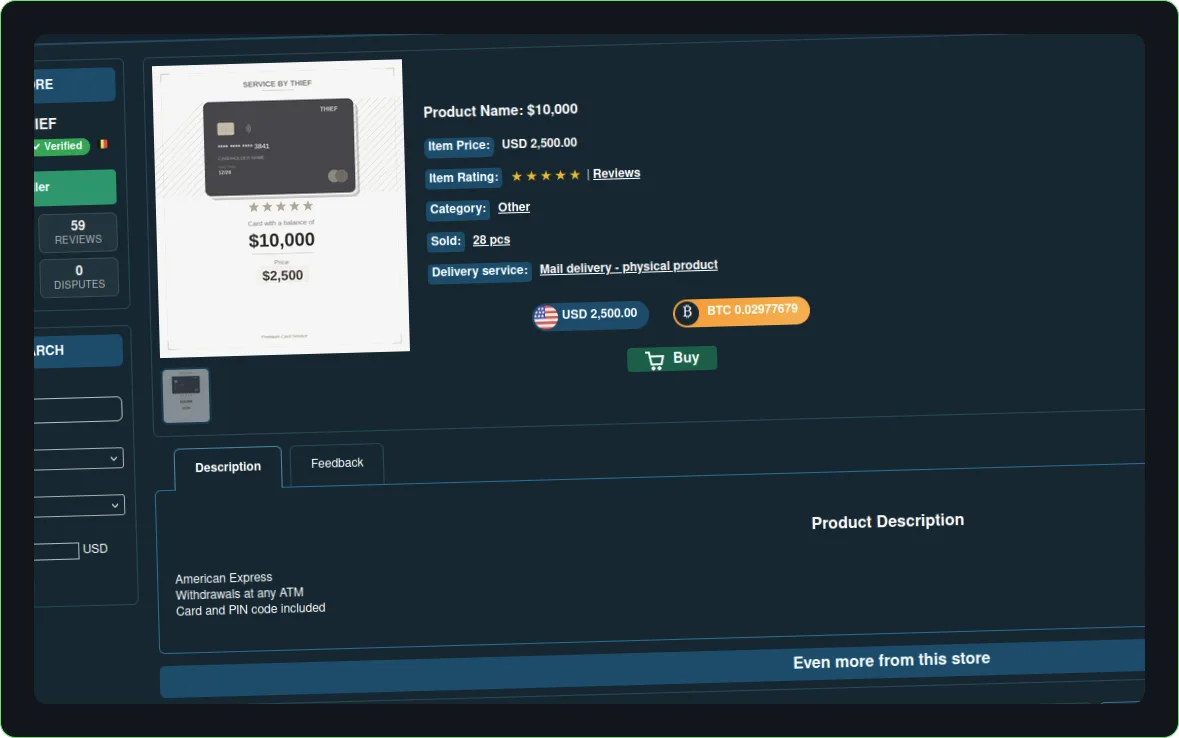
We reviewed a case showing how surveillance systems can identify darknet buyers in the real world. Mark T., age 34, paid $480 in cryptocurrency for six cloned cards that included PIN codes. He withdrew cash at four separate ATMs over a two-week period. Facial recognition software identified him within 72 hours after his last transaction.
The marketplace accepted Monero and delivered cards containing stolen magnetic stripe information. Mark assumed the cryptocurrency layer would keep him anonymous. He missed one crucial weakness: ATM cameras captured high-resolution images of his face at every location.
This incident shows where digital anonymity meets physical surveillance infrastructure. We reviewed court filings, investigation records, and the mistakes that turned an anonymous transaction into federal prosecution within 15 days.
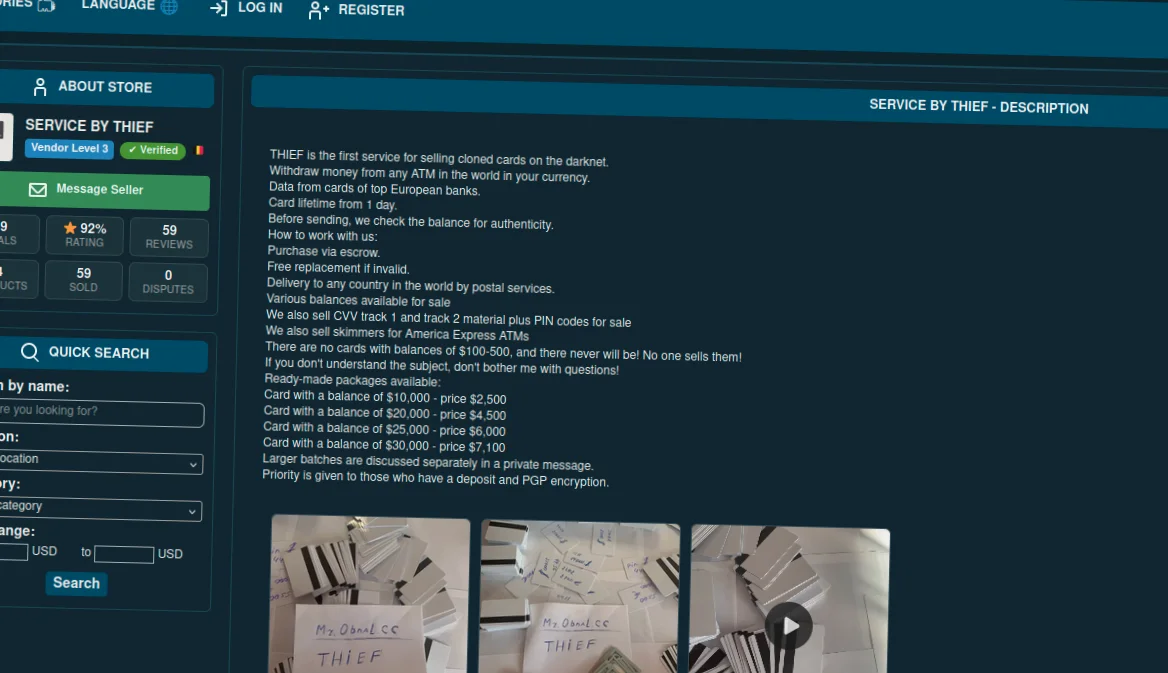
The website where the purchase was made accepted Monero payments and shipped cards encoded with stolen magnetic stripe data.
From Cryptocurrency to Cash Withdrawal
Mark completed his purchase in November 2024 using Monero. The seller shipped six blank plastic cards encoded with stolen magnetic stripe data. Each card included a four-digit PIN obtained through skimming operations.
The first ATM dispensed $1,400. Mark moved to a second location and withdrew $1,100. A third machine gave him another $1,000. By the fourth withdrawal, he had collected $4,200 total. He attempted a $700 withdrawal at the fourth ATM.
How Cloned Cards Function
Criminals obtain card data through multiple channels. Skimming devices placed on gas pumps and ATMs capture magnetic stripe information. Data breaches at retailers expose millions of card numbers simultaneously. Phishing campaigns trick victims into entering credentials on fake banking portals.
Once obtained, the data gets encoded onto blank plastic using magnetic stripe writers. These devices cost between $200 and $800 on carding forums dark web marketplaces. The process takes less than two minutes per card.
PIN codes present a separate challenge. Overlay keypads placed over legitimate ATM buttons record every digit entered. Hidden cameras positioned to view the keypad serve the same purpose. Without the PIN, the cloned card becomes worthless for ATM withdrawals.
The Fourth ATM's Role
The fourth machine sat in a suburban Tampa Bay location. Mark approached without disguise at 3:47 PM on a Thursday afternoon. The built-in camera captured 23 seconds of footage showing his full face in profile.
He inserted the card, entered the PIN, selected $700, collected the bills, and departed. The transaction log recorded every detail: timestamp, card number, amount requested, amount dispensed, and machine identification number.
Modern ATMs function as comprehensive surveillance systems. Most models include two cameras operating simultaneously. The primary camera faces the customer at chest height. A secondary camera often operates from a different angle to capture side profiles.
Infrared illumination enables clear footage even during nighttime transactions. Resolution typically reaches 1080p. Storage systems retain footage for 90 days minimum, often longer depending on bank policy.
Geographic Pattern Recognition
All four ATMs fell within a 40-mile radius. Anti-fraud algorithms flagged this pattern within hours. Banks monitor withdrawal locations continuously. When multiple fraudulent transactions cluster geographically, the system generates an automatic alert.
Mark's home address sat at the center of this radius. Investigators later mapped the four ATM locations and identified the pattern visually. The clustering made his residence the logical starting point for physical surveillance.
How Investigators Built the Case
How Investigators Built the Case
Within 48 hours, cardholders in Florida, Georgia, and North Carolina reported fraudulent transactions. Each victim contacted their bank immediately. The banks blocked the compromised accounts and logged fraud reports.
Centralized networks automatically share this data between financial institutions. When similar compromise patterns emerge across multiple cards, the system escalates. This early warning infrastructure connected the dots quickly.
Timeline of the Investigation
Algorithmic detection kicked in on day three. The fraud prevention system flagged cloned card activity spanning state boundaries. An emergency protocol launched.
On day five, federal authorities took over. Interstate financial crimes fall under U.S. Secret Service jurisdiction. Agents requested transaction records and surveillance footage from all four machines.
Facial recognition succeeded on day eight. Clear imagery from the fourth machine yielded results. Cross-referencing Florida driver's license records produced a positive match. Mark's official photo aligned with the surveillance capture.
Digital forensics expanded the probe on day twelve. Warrants secured access to internet provider logs and browsing records. Provider data revealed Tor exit node activity during timeframes matching the card purchase.
A search warrant executed on day fourteen recovered critical evidence. Officers found six blank cards, a magnetic stripe encoding device, a laptop with Tor Browser installed, $3,200 in currency, and packaging materials.
The Cryptocurrency Trail
Mark selected Monero for its enhanced privacy architecture. Transaction amounts and wallet identifiers remain hidden, unlike Bitcoin. Individual payment flows become nearly impossible to follow.
The vulnerability appeared at the acquisition stage. Mark bought Monero through a centralized platform requiring identity verification. He uploaded passport documentation and facial imagery during registration.
Court orders forced the exchange to surrender customer records. Documentation showed Mark acquired $520 worth of Monero on the identical date the marketplace received payment.
Temporal alignment provided circumstantial links. Prosecutors couldn't track Monero through blockchain analysis directly. They demonstrated Mark acquired the precise cryptocurrency on the precise date required.
Physical Evidence Collection
The encoding hardware seized matched the magnetic formatting on cloned cards. Laboratory examination confirmed the device had programmed blank cards within 14 days.
Browser history persisted despite deletion efforts. System logs documented Tor Browser activity throughout November 2024. Cached data contained fragments from marketplace pages.
The recovered currency offered another connection. ATM records specified bill types: twenties and hundreds. Cash in Mark's residence matched these denominations in quantities consistent with machine dispensing logic.
Packaging bore a return address from an Eastern European mail forwarding service. This provider frequently appears in carding community discussions about secure shipping.
How to Check for Credit Card Skimmers
Victims here never spotted the original theft device. Learning to identify compromised readers could have prevented the data breach. Protection begins with visual examination.
Before inserting your card anywhere, inspect for abnormal components. Gently tug the card slot. Authentic readers stay firmly mounted. Overlay skimmers often shift when pressure is applied.
Compare the terminal to neighboring units. Skimmers may add thickness or introduce slight color variations. Search for tiny apertures near the keypad that could hide cameras.
Online galleries display common skimmer configurations. Reviewing these designs improves recognition ability. Some mobile applications detect Bluetooth emissions from wireless theft devices.
Protection extends beyond physical inspection. Monitor your statements every single day. Rapid detection of fraudulent charges enables faster bank response.
Personal security devices exist for consumer purchase. RFID-shielding wallets block contactless scanning attempts. Many banks offer real-time transaction notification services.
Online communities document recent compromised locations. Members post photographs and alerts about affected terminals. This shared intelligence helps identify suspicious equipment before you swipe.
We recommend developing a pre-transaction inspection routine. Pull the card reader firmly. Check keypad alignment and texture. Look for visual inconsistencies compared to other machines.
Many people skip these precautions due to time pressure. Taking 15 seconds for inspection significantly reduces risk. Skimmers rely on inattention and hurried transactions.
If something feels wrong, trust your instinct. Use a different machine or payment method. Report suspicious terminals to the location manager and your bank.
Financial institutions invest heavily in anti-skimming technology. Newer ATMs incorporate anti-tampering sensors and encrypted card readers. These measures reduce but don't eliminate risk.
Consumer vigilance remains the first defense layer. Banks can only react after compromise occurs. Your inspection prevents data theft before it happens.
Education makes a measurable difference in fraud prevention. Understanding skimmer mechanics helps you spot anomalies. Share this knowledge with family and colleagues.
The victims in Mark's case lost temporary access to funds. Banks reversed the fraudulent charges eventually. The inconvenience and stress could have been avoided with earlier detection.
Critical Mistakes and Security Failures
Mark made six fundamental errors that guaranteed his capture. We analyzed each failure point to understand what went wrong.
Geographic Concentration
Operating within 40 miles of his home created an immediate pattern. Anti-fraud systems prioritize geographic clustering. Spreading withdrawals across multiple states over weeks might have delayed detection.
The algorithm that flagged his activity operates on velocity rules. Multiple withdrawals in a small area within days trigger automatic escalation. Had he waited months between withdrawals, each transaction might have appeared isolated.
Absence of Disguise
Approaching ATMs without facial covering proved fatal. A simple medical mask would have complicated facial recognition. Sunglasses and a baseball cap would have obscured enough features to prevent database matching.
Some criminals use makeup to alter facial geometry. Others wear wigs or fake beards. Mark used nothing. The ATM captured his face exactly as it appeared on his driver's license.
KYC Compliance
Purchasing Monero through a verified exchange created a permanent record. Peer-to-peer exchanges allow cryptocurrency purchases without identity verification. Bitcoin ATMs in many jurisdictions require no identification for transactions under $1,000.
Mark could have used multiple small purchases to acquire the needed amount anonymously. Instead, a single KYC-compliant transaction linked his legal identity to the cryptocurrency used for the illegal purchase.
Evidence Retention
Storing the magnetic stripe writer and blank cards at home guaranteed prosecution. Professional criminals dispose of equipment immediately after use. The device alone proves intent to commit fraud.
The laptop presented similar problems. Even deleted browser history leaves forensic traces. Secure deletion requires specialized software that overwrites data multiple times. Mark used standard deletion, leaving recoverable fragments.
Cash Storage Patterns
Keeping $3,200 in cash at home matched ATM withdrawal amounts. This correlation strengthened the prosecution's case. The specific denominations provided additional evidence linking the cash to the withdrawals.
Professional money launderers convert cash to cryptocurrency immediately. Bitcoin ATMs accept cash without requiring identification for amounts under certain thresholds. This breaks the chain between physical cash and the original crime.
Operational Speed
Completing all withdrawals within two weeks compressed the investigation timeline. Banks prioritize recent fraud cases. Active patterns receive immediate attention while dormant cases move slower.
Cf card cloning operations typically space out usage over months. This reduces the likelihood that multiple victims will report fraud simultaneously. Mark's speed ensured all three victims noticed the theft while evidence remained fresh.
Lessons from Cloned Cards Reddit Discussions
Card skimming reddit communities frequently discuss operational security failures. Users document arrests and analyze what went wrong. Common themes emerge across dozens of cases.
Timing matters significantly. The longer you wait between purchase and use, the higher the chance cards get blocked. But using them too quickly creates the pattern that triggered Mark's investigation.
Location diversity appears in almost every discussion. Users emphasize spreading withdrawals across maximum geographic distance. Some recommend different states or countries for each transaction.
Disguise receives extensive attention. Detailed guides explain how to alter appearance without looking suspicious. The goal involves changing enough features to prevent facial recognition while appearing normal to human observers.
The Federal Prosecution and Sentencing
Federal Charges Against Mark
Mark faced prosecution under two distinct federal laws. The first, 18 U.S.C. § 1029, addresses unlawful conduct involving access devices. This statute covers unauthorized credit and debit card use.
The second charge fell under 18 U.S.C. § 1957. This law targets money-laundering activities. Converting stolen banking credentials into physical cash through ATM withdrawals meets the statutory definition.
How Sentencing Works
Federal guidelines tie punishment to loss amounts and prior record. The $4,900 Mark withdrew determined his base level. His clean record worked in his favor.
The plea deal removed trial uncertainty. Mark acknowledged guilt in exchange for a lighter recommendation. Without this agreement, he risked maximum penalties totaling 25 years.
The judge sentenced him to 60 months in federal custody. Federal inmates serve at least 85% before release consideration. Parole comes only after that threshold.
Financial Obligations
The $22,000 fine surpasses what Mark actually stole. Courts use fines as deterrents beyond victim compensation. These payments go to federal coffers, not victims.
Restitution requires direct repayment to the three victims. This covered the $4,900 plus bank fees and investigation expenses. Bankruptcy does not discharge restitution obligations.
Supervised release lasts 3 years after prison. Mark must check in regularly with a probation officer. Internet access, job choices, and travel face restrictions. Breaking these rules sends him back inside.
The Architects Escaped
Mark occupied the lowest rung of this criminal ladder. Investigators never found the skimming crew that captured card data. The darknet seller who provided cloned cards still operates.
We see this outcome repeatedly in carding cases. Authorities arrest cashout operators and end users. Meanwhile, organizers run operations from countries with weak enforcement.
The marketplace continues despite Mark's capture. Vendors recruit replacement buyers every day. Profits remain high enough to absorb these occasional arrests.
Sentencing Comparison
Cloned debit card scams can result in significant financial losses and lengthy prison sentences. Understand the risks and consequences by examining a specific case and typical outcomes for related offenses. For more information on how these scams are investigated, refer to relevant resources.
| Service or Offense Element | Details of Mark's Case | Typical Range for Offenses |
|---|---|---|
| Reduction in original sentence | Minimal | 0-50% cut |
| Duration of post-release supervision | 3 years | 2-5 years |
| Length of time in federal prison | 60 months | 24-120 months |
| Total cash withdrawn from ATMs | $4,900 | $2,000-$50,000 |
| Court-ordered fines and repayment total | $22,000 | $5,000-$100,000 |
| Past criminal record | None | Varies |
Mark landed in the middle of the range. His clean background helped somewhat. His cooperation yielded little benefit because he could not identify upstream organizers.
The Persistent Market
We analyzed this case to demonstrate how physical evidence intersects with digital crime. Mark's operational security focused entirely on the cryptocurrency transaction. He ignored the surveillance infrastructure waiting at every ATM.
The investigation succeeded through multiple converging evidence streams. Facial recognition provided initial identification. Geographic pattern analysis narrowed the suspect pool. Cryptocurrency exchange records linked digital and physical identities. Physical evidence found during the search confirmed the connection.
For security professionals, this case illustrates the importance of integrated defense systems. Banks that combine anti-fraud algorithms with law enforcement coordination achieve the fastest resolution. Customer education about card skimming protection reduces the initial data theft that feeds the entire criminal ecosystem.
The carding market continues operating despite regular arrests. Buyers like Mark represent replaceable components in a resilient system. The vendors and organizers who operate the infrastructure face significantly lower risk. This asymmetry explains why darknet marketplaces continue thriving while individual buyers serve federal prison sentences.